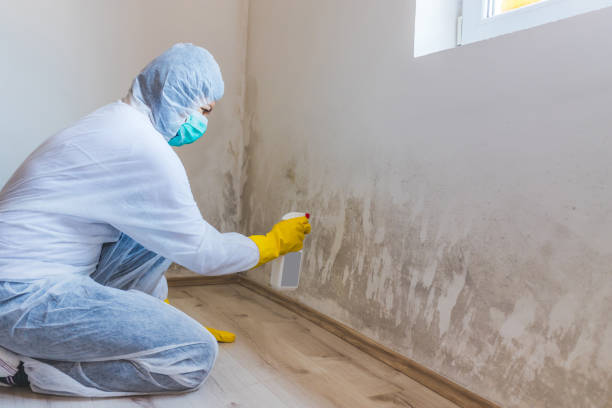
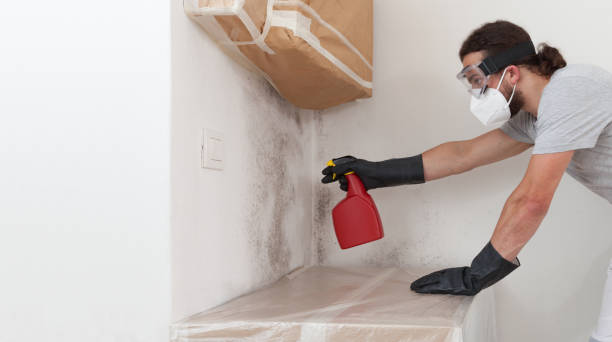
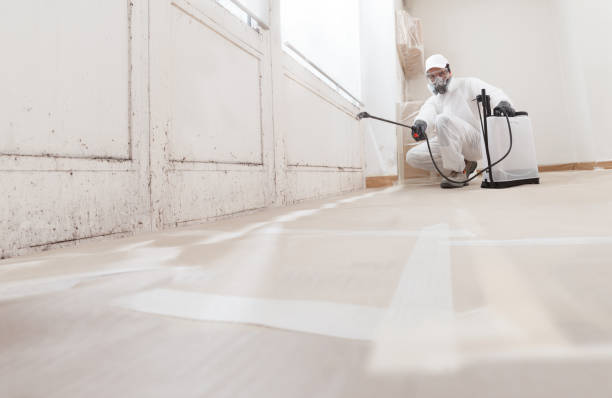
IICRC S520-compliant removal across every scenario — surface colonies, cavity infestations, post-water-event growth, HVAC contamination.
Category Assessment
📋Water Category Classification & Protocol Selection
Water source classification determines PPE requirements, containment tier, and disposal protocol on every Port Jefferson Station mold job. We assess and document the water category before work begins.
Containment
🔥Negative Air Containment Setup
Physical containment is established before any material removal — 6-mil poly barriers, zipper entries, HEPA negative air machines creating inward airflow, and sealed HVAC registers. Spore migration during removal is prevented, not managed after the fact.
Extraction
🔨Contaminated Material Removal
Mold-contaminated drywall, insulation, subfloor sections, and framing members are physically removed, double-bagged in heavy-duty poly, and disposed of per Port Jefferson Station, NY regulations. HEPA vacuuming of remaining structural surfaces removes loose spore material before treatment.
Treatment
💧EPA Biocide Application
After physical extraction, remaining structural surfaces are treated with EPA-registered antimicrobial agents rated for the contamination category. For Category 3 events, enhanced disinfectants are used. Encapsulant is applied to salvageable structural wood where warranted.
Drying
💨Structural Drying Where Needed
When residual moisture remains in structural materials after removal, we deploy desiccant or refrigerant dehumidifiers and air movers — logging daily psychrometric readings against IICRC drying targets until materials reach equilibrium moisture content.
Clearance
📄Independent Post-Removal Air Sampling
An independent industrial hygienist collects post-removal air samples from the treated zone and outdoor comparative samples — processed by an accredited laboratory. You receive a written clearance report, not just a contractor's assurance the job is done.